If you care for a parent, grandparent, or spouse at home, or manage a senior care facility, there’s one thing you need a lot of: blankets. Blankets serve several purposes for seniors. They provide comfort. They add softness during rest. They offer an extra layer during sleep or quiet time. Perhaps most importantly, they help keep seniors, who have thinner skin and are more prone to feeling cold, nice and warm.
But if you’re trying to find the best possible option for your loved one or residents, you may be stuck between thermal and fleece blankets. Both boast that they can help keep a person warm and comfortable. But which one is actually better? Let’s compare the two so you can make the right choice.
Thermal Blankets
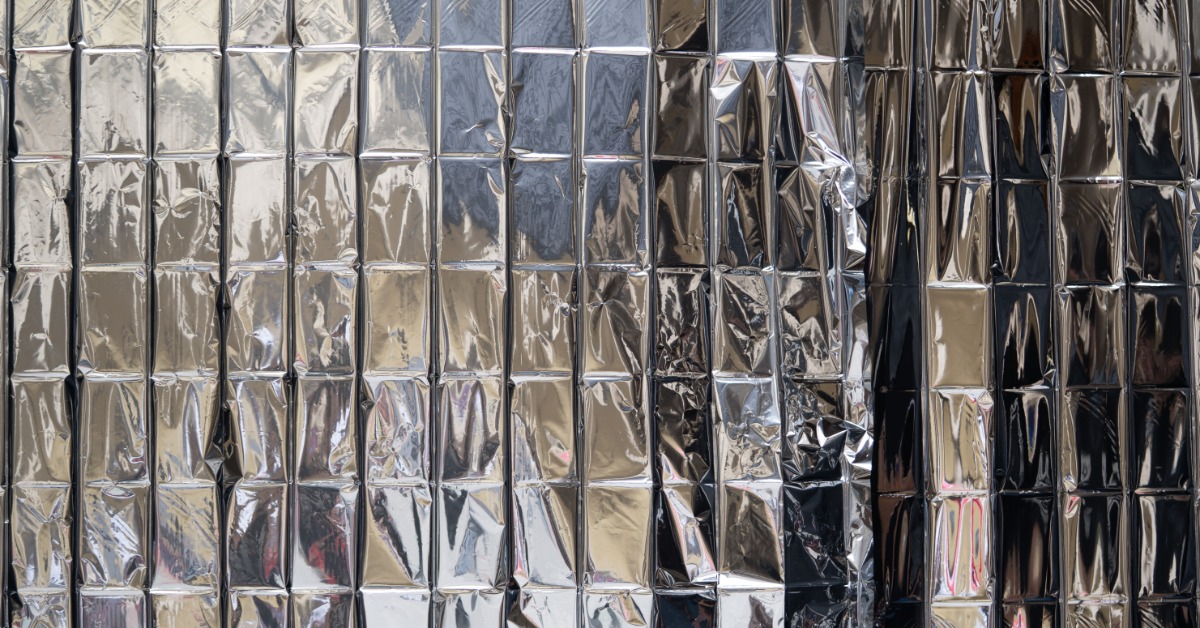
A mylar thermal blanket is a lightweight blanket made from a thin plastic film coated with a reflective metallic layer, usually aluminum. It helps reduce heat loss by reflecting body heat back toward the person using it instead of absorbing warmth like a traditional fabric blanket.
Pros
- Heat Reflection: Helps hold in body heat by reflecting warmth back to the body.
- Lightweight Design: Adds warmth without the weight of thicker fabric blankets.
- Moisture Resistance: Resists water and dampness better than many standard blanket materials.
- Compact Storage: Folds down easily, so it takes up very little space when not in use.
- Useful In Emergency Settings: Works well in situations where quick warmth retention is needed.
Cons
- Less Softness: Doesn’t have the soft, comfortable feel of fabric blankets.
- Crinkly Texture: Makes noise and can feel stiff during use.
- Limited Breathability: Can trap heat and moisture, which may make it less comfortable over longer periods.
- Shifts Easily: Thin material can slide around more than heavier blankets.
- Lower Everyday Comfort: Works better for heat retention than for long-term comfort during regular daily use.
Fleece Blankets
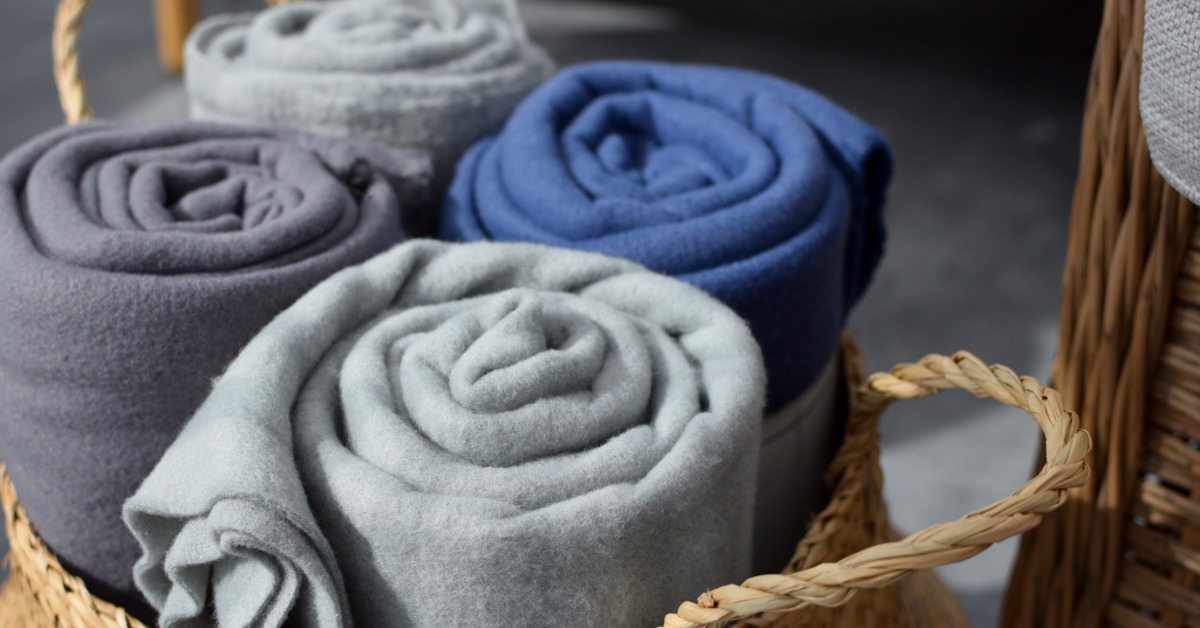
A fleece blanket is a soft blanket made from synthetic fibers, most commonly polyester, designed to provide warmth by trapping body heat within a dense, brushed fabric surface.
Pros
- Soft Texture: Feels smooth and plush against the skin.
- Lightweight Warmth: Provides insulation without feeling overly heavy.
- Easy Care: Washes and dries more easily than many specialty blankets.
- No Electricity Needed: Delivers warmth without cords, controls, or outlets.
- Flexible Use: Works well for beds, chairs, couches, and layering.
Cons
- Lower Heat Output: Doesn’t generate heat on its own like a heated blanket.
- Can Trap Too Much Warm Air: May feel stuffy in warmer rooms.
- Synthetic Material: May not appeal to people who prefer natural fabrics.
- Static Buildup: Can create static, especially in dry indoor conditions.
- Variable Quality: Thinner fleece options may pill, flatten, or lose softness over time.
Which Is Better for Seniors?
There isn’t one blanket type that wins in every situation. The better choice depends on the person using it, the care setting, and the reason the blanket is needed in the first place. Some people need more intense heat for short periods. Others need a soft, simple layer they can use every day without extra setup. Home caregivers and facility staff get the best results by looking at practical questions first, then matching the blanket to those needs.
Is The Goal Emergency Warmth or Everyday Comfort?
This is the first thing to sort out. A mylar thermal blanket is meant for heat retention. It reflects body heat back toward the person using it, which makes it useful when warmth needs to be preserved quickly. A fleece blanket works differently. It provides a soft layer of insulation for regular daily use, but it doesn’t have the same emergency-style heat retention purpose as mylar.
If the blanket is being used during regular rest, sleep, or time in a chair, fleece is often the more practical option. If the blanket is being kept on hand for situations where holding onto body heat is the priority, mylar has a clearer advantage.
Will The Blanket Be Used for Long Periods?
This question matters because comfort changes everything. Fleece blankets are much better suited for extended use. They feel soft, flexible, and familiar, which makes them easier to use through the night or during long stretches of sitting and resting.
Mylar thermal blankets are different. They can help retain heat, but they are thin, stiff, and noisy. For short-term use, that may not be a problem. For long-term daily comfort, it usually is. If someone needs a blanket they’ll want to keep on for hours, fleece is the better fit.
How Important Is Softness and Noise Level?
For many seniors, the feel of the blanket is a big part of whether they’ll actually want to use it. Fleece has a soft texture and a quieter fabric surface, so it feels more comfortable.
Mylar thermal blankets can feel crinkly and less pleasant against the body. They also make noise with movement, which can be distracting during rest. In a home or facility where comfort is the main goal, fleece works better for this reason alone.
What Makes More Sense in Daily Care?
Fleece blankets fit more naturally into everyday routines. They can stay on a bed, be used in a recliner, get washed with other linens, and be replaced easily. That makes them a stronger choice for day-to-day care.
Mylar thermal blankets are more situational. They’re lightweight, compact, and useful to keep available, but they’re not the blanket most people reach for as an everyday layer. For regular use, fleece makes more sense. For heat retention in specific moments, mylar thermal blankets serve a different purpose well.
The Better Pick Depends on the Situation
Thermal blankets or fleece blankets for seniors? The truth is, neither is hands-down better than the other. They each have different features that can be useful in different situations. Thermal blankets can reach higher temperatures, and reach those temperatures faster, than fleece blankets, which makes them popular for short-term, emergency use. Fleece blankets are softer and easier to use for everyday comfort. Many home caregivers or facilities that care for older adults will use both as needed.
If you need blankets for cheap for at-home care or for your facility, come shop at Assisted Living Store. We offer a variety of blanket types at wholesale prices, so you can get the people you care for the soft, dependable blankets they need for comfort and warmth.