What matters most for a fast, successful recovery? Nutrition? Sleep? Physical therapy? What about the garment the patient is provided to wear through every single one of those moments?
There isn’t one single detail that carries the whole recovery process. And sometimes, the smaller details, like the gown, have a bigger impact than anyone expects. Let's talk about how comfortable patient gowns improve recovery—and what, exactly, makes a gown "comfortable."
What Makes a Hospital Gown Comfortable?
To start, what makes a hospital gown “comfortable”? It comes down to how the gown fits into the patient’s day. Patients may wear one while resting, sitting up, walking with support, or receiving hands-on care, so the design needs to work with those moments instead of getting in the way. What should you look for before ordering for a facility?
- Soft fabric that doesn’t scrape irritated skin
- Enough coverage for patient privacy
- Easy access for care without excess shifting
- Roomy sizing that doesn’t pull during movement
- Closures that stay in place during routine use
These aren’t luxury features. They’re the baseline for a garment someone may wear around the clock for days at a stretch.
Soft Fabric Directly Affects How Well a Patient Sleeps
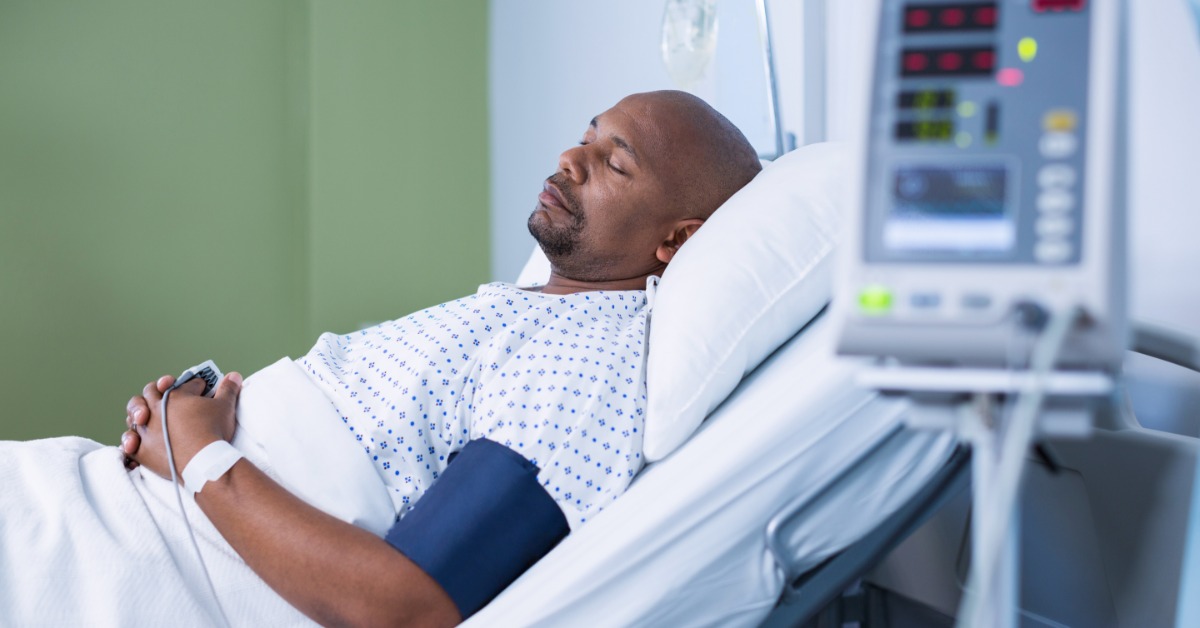
When a patient sleeps in a gown night after night, the fabric can either support rest or keep getting in the way. Rough material against already-sensitive skin creates friction, and for patients who stay in bed for long periods, that friction turns into low-level discomfort that interrupts sleep throughout the night.
Poor sleep slows the healing process in measurable ways. It disrupts hormone regulation, weakens immune response, and leaves patients more fatigued going into each new day of recovery. A gown made from soft, low-irritation fabric removes one ongoing source of sensory disruption before it has time to build. That’s not a small thing when a patient spends eight or more hours in the same garment every night.
Patients Who Feel Dignified Participate More Actively in Their Own Care
Patients who feel exposed or embarrassed are less likely to walk the halls, engage with therapy, or call for help when they need it. A well-fitted gown that provides adequate coverage gives patients a baseline sense of normalcy during a disorienting time.
When patients aren't preoccupied with holding a gown closed or avoiding movement out of embarrassment, they engage more openly with caregivers and more willingly with the recovery process. That shift in participation has a direct effect on outcomes. Patients who move more, communicate more, and cooperate more with their care teams recover faster than those who withdraw.
Freedom of Movement Keeps Physical Therapy on Track
Recovery often requires movement, and a restrictive gown becomes a physical obstacle to the work a patient needs to do. If someone is working with a physical therapist, awkward closures or stiff fabric can cut sessions short or make certain movements uncomfortable enough to avoid entirely. Over a course of treatment, those shortened sessions add up. A gown designed with range of motion in mind keeps the garment from getting in the way so the patient can put full effort into doing the work.
Smooth Medical Access Lowers Patient Stress During Procedures
Every time a gown creates a barrier to necessary medical access, it adds friction to an already stressful situation. Patients who are anxious during assessments or procedures become tense, and that tension shows up in elevated blood pressure, heightened pain perception, and reduced cooperation.
A gown with functional openings in the right places keeps care from becoming harder than it needs to be. When a nurse or physician can reach what they need without asking the patient to shift awkwardly or wait while fabric gets pulled into place, the interaction feels less invasive. The patient stays more comfortable, and staff can focus on the care itself instead of the gown getting in the way.
Temperature Regulation Keeps the Body Focused on Healing
Hospitals run cold by design. Lower ambient temperatures reduce infection risk in clinical settings, but for patients who are already weakened, sustained cold pulls energy away from the healing process. Breathable fabric that still provides warmth keeps body temperature stable without causing overheating during movement or therapy. A gown that works with the clinical environment instead of against the patient wearing it reduces the amount of energy the body spends simply trying to stay comfortable.
Color and Pattern Have a Measurable Effect on Patient Mood
The clinical environment already sends plenty of signals that raise patient stress. Bare, sterile gowns reinforce that setting without offering anything back. Gowns with softer patterns or color can shift the tone of a patient's experience in a way that's subtle but consistent, particularly for older adults or patients managing cognitive decline. In memory care or hospice settings, familiar and visually warm clothing reduces disorientation and can lower agitation. For patients in long-term recovery, wearing something that doesn't look and feel like a medical prop contributes to a sense of normalcy that supports mental wellbeing alongside physical healing.
Durable Construction Keeps Your Inventory Standard High
A gown that pills, tears, or loses its closures after a handful of wash cycles gets replaced with whatever happens to be available. That inconsistency puts patients in ill-fitting or deteriorating garments that undermine every comfort benefit a facility tries to provide. For operations managing large inventories across multiple rooms or units, durable construction is what keeps the standard consistent. Gowns that hold up through repeated industrial laundering cost less over time than cheaper alternatives that degrade quickly and need constant replacement. The upfront investment in quality construction pays for itself in fewer reorders and more reliable patient experiences.
Every Day in a Gown Is a Recovery Day
Patients don't wear hospital gowns for an hour. They wear them through meals, therapy, visitor time, and long overnight hours when the body is doing most of its healing work. A gown that's comfortable enough to stop noticing removes a persistent source of distraction and discomfort from a period when every available resource should be directed toward getting better. That shows up in patient outcomes, satisfaction scores, and the overall quality of care a facility delivers.
The Gown Is Part of the Care You Provide
A comfortable patient gown supports recovery because it removes barriers to rest, movement, dignity, and consistent clinical care.
If you manage inventory for a care facility and are in need of new patient gowns, shop Assisted Living Store for fun, colorful, and comfortable options available at wholesale pricing. Getting your patients the comfort they deserve without stretching your budget thin is possible when you shop with us.