Hospital gowns need to be comfortable and durable. They also need to be roomy enough for patients to move around in. If you’re buying for your facility, here are 10 hospital gown features that improve mobility to consider before placing an order.
A Roomy Cut
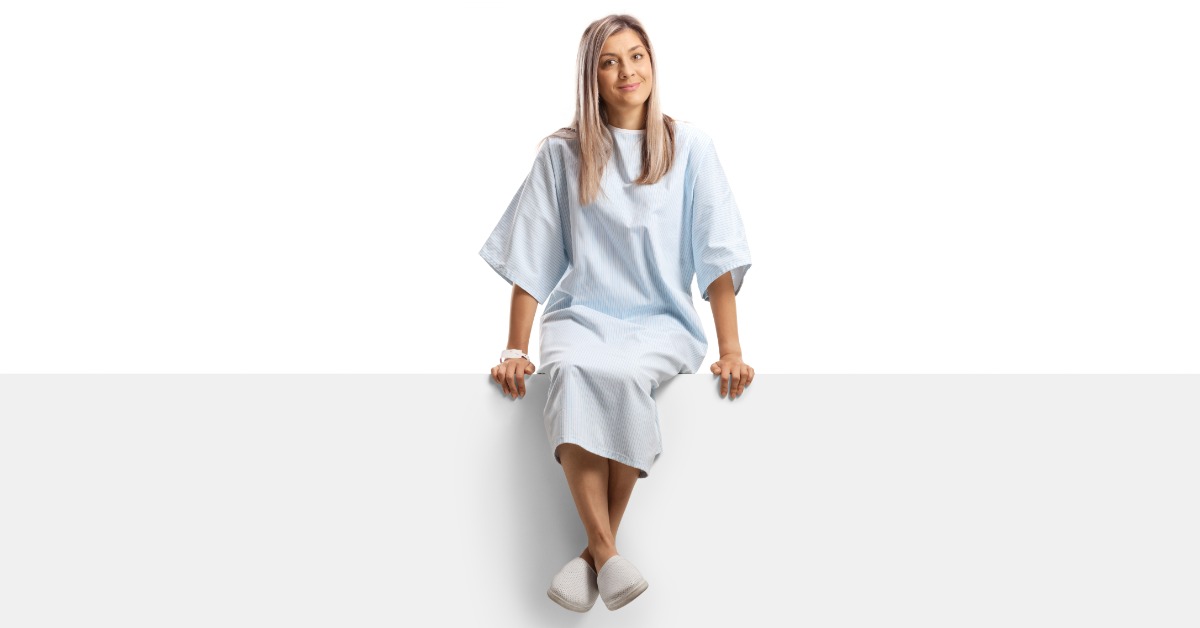
A roomy cut gives the wearer space to bend and sit without the gown pulling tight around their hips. As they lower themselves into a chair, the fabric needs room to spread across their lap. A narrow gown restricts that movement, forcing them to stop and adjust it before sitting down.
Extra room through the hips allows the fabric to settle as the wearer changes position. They don’t have to pull the gown upward to create enough space to sit. This reduces the need to adjust their clothing while they’re trying to lower themselves into a seat.
Generous Armholes
Armholes affect how far someone can reach before the gown pulls across their upper body. If the opening fits too closely beneath the arm, raising an elbow draws the surrounding fabric upward. That tension interferes with reaching, even when the rest of the gown has enough room.
A more generous opening gives the upper arm space to move without lifting the entire garment. When someone reaches for a bed rail, that extra room lets them extend their arm without pulling the gown tight against their shoulder. They don’t have to tug the fabric into place before completing the reach.
A Shorter Hem
A long hem adds coverage, but excess length near the feet interferes with walking. When fabric hangs too low, a patient may step on it as they get out of bed. If they need to hold the gown up to walk, they have one less hand available for support.
A shorter hem keeps the fabric away from the feet, allowing the wearer to step forward without lifting the gown. This leaves their hands available to grip a walker or another mobility aid. The gown should still extend below the knees to provide coverage without reaching the ankles.
Side Slits
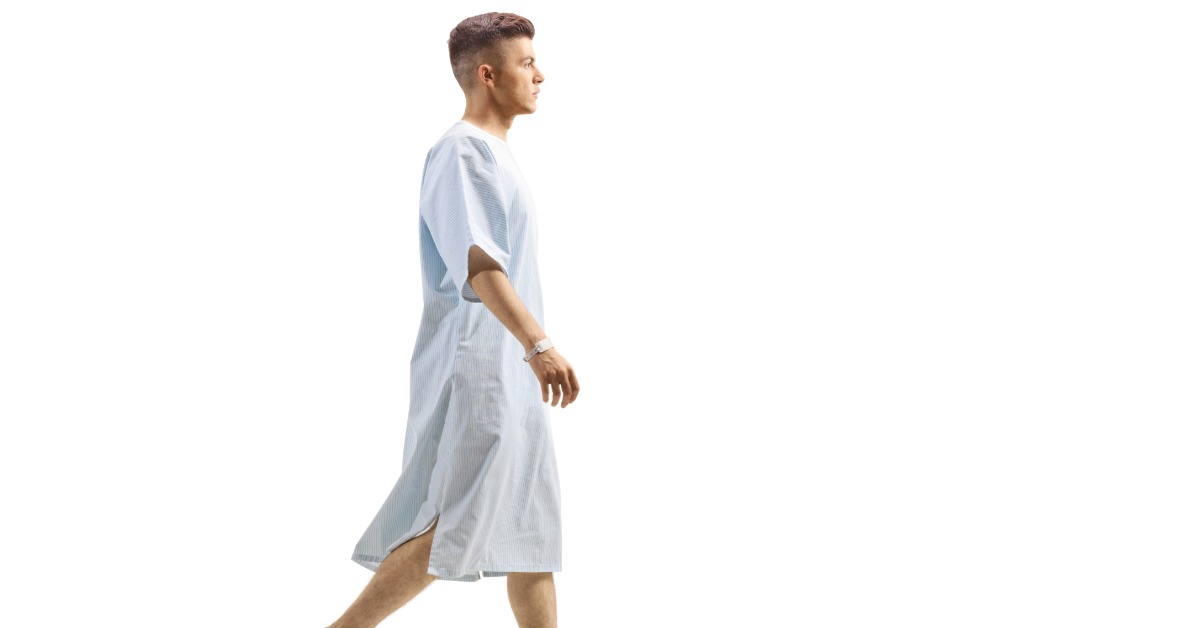
Side slits give the lower portion of a gown room to open during a step. Without that opening, a narrow hem limits how far the legs move apart. The wearer then has to shorten their stride to stay within the space the gown allows.
A slit releases some of that restriction without requiring a wider cut throughout the garment. Its depth determines how much movement the opening permits, so a tiny decorative slit won’t accomplish the same thing. Coverage also needs review when the wearer sits, because the opening changes position as their knees bend.
Overlapping Back Panels
An open-backed gown creates a coverage concern when someone leaves the bed. If the edges barely meet while they’re standing still, movement pulls them farther apart. The wearer may then hold the gown closed behind them, limiting how freely they use their arms.
Overlapping panels provide additional fabric across that opening. As the wearer turns or takes a step, the panels have room to move before a gap develops.
Stretch Fabric
Stretch fabric expands when movement places tension on the gown. That gives the material additional flexibility as someone bends forward to rise from a chair. Instead of reaching the limit of a rigid fabric immediately, the wearer has some room to complete the motion.
The direction of the stretch affects where that flexibility occurs. Fabric that stretches across the body offers give around the torso, while lengthwise stretch responds to a different pull. Fabric with stretch in both directions accommodates movement through the body’s full range.
Lightweight Fabric
A lightweight gown takes less effort to lift and reposition during dressing. For someone with limited strength, heavier fabric adds to the work of pulling the garment over their body. Lighter material reduces that effort as they put on the gown.
However, a gown doesn’t need to be thin or see-through to weigh less. Lightweight fabric can still provide coverage as the wearer moves around. They shouldn’t need a second gown for privacy, since that adds back the weight of another garment.
Front Closures
Front closures bring the fastening point within the wearer’s reach. A closure behind the neck requires shoulder movement that some people don’t have, leaving them dependent on another person to secure the gown. Reaching backward also pulls the garment around the body during dressing.
With a front closure, the wearer can work in front of their torso instead. This reduces the need to twist while trying to locate the fastening point. The benefit depends on the closure’s actual position, because a fastening placed too high still requires a reach the wearer may struggle to complete.
Accessible Tie Placement
Tie placement affects whether loose ends interfere with movement after someone secures the gown. Long ties that hang near the legs can brush against the wearer as they walk. If the ends get in the way, the wearer has to stop and tuck them aside.
Ties positioned higher on the gown keep those ends away from the legs. They need enough length for a secure knot without leaving long sections hanging below it. This lets the wearer move without repeatedly reaching down to adjust loose ties.
Snap-Open Sleeves
Snap-open sleeves open along the arm so someone can put on a gown without raising their arm to pass it through a sleeve. This reduces the movement required during dressing for a person with limited shoulder mobility. A caregiver can place the fabric around the arm and secure the snaps while the wearer keeps their arm in a comfortable position.
The same design also simplifies removal. Once someone releases the snaps, the sleeve opens away from the arm without requiring the wearer to pull it free. As a result, getting undressed requires less shoulder movement, too.
Give Patients Room To Move
Look for these hospital gown features that improve mobility the next time you order for your facility to give your patients more control over how they move while receiving care. A gown should accommodate their movements without requiring constant clothing adjustments.
At Assisted Living Store, we have hospital gowns available in a variety of designs and sizes. Our selection includes gowns with shoulder snaps, along with styles that offer overlapping backs for coverage during movement.