Blankets in long-term care facilities go through a lot. Between daily use and frequent laundering, they need to hold up without becoming rough or losing their shape. And since residents have different temperature preferences, the material you choose affects their everyday comfort.
The best blanket materials for long-term care offer different benefits depending on their fibers and construction. Some provide breathable coverage for warmer rooms, while others retain more body heat during colder nights.
Knowing how these fabrics perform makes selecting bedding much simpler. Let's look at the materials commonly used in care facilities and what makes each one suitable for everyday use.
Cotton
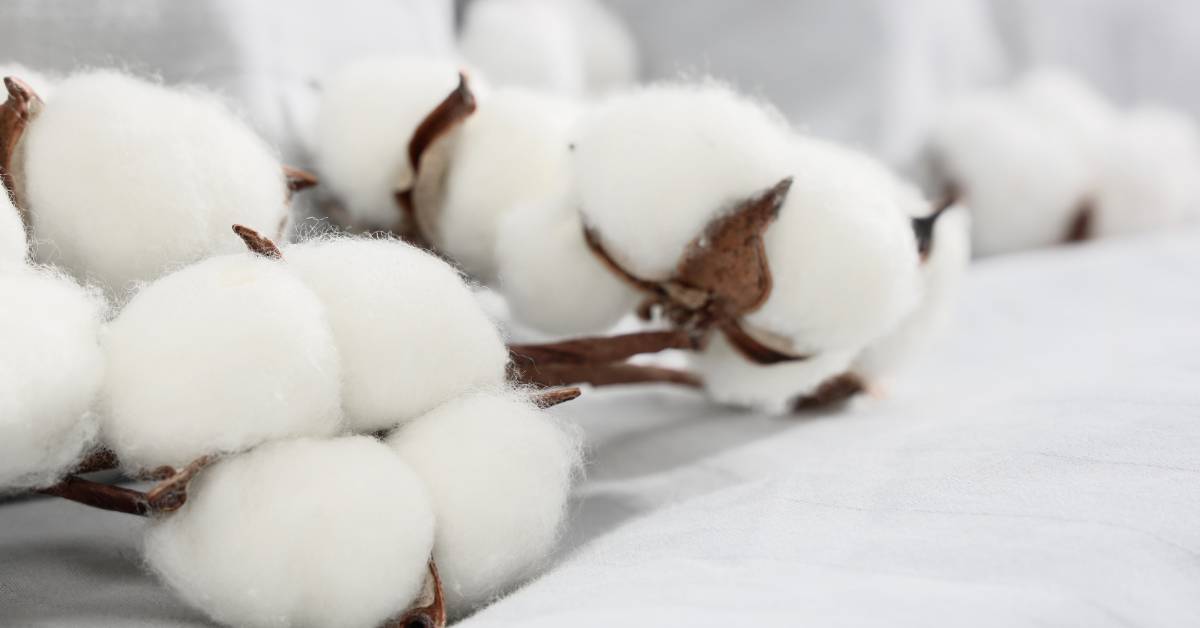
Cotton is a popular bedding material because its natural fibers allow air to circulate. Residents who tend to overheat during sleep may appreciate its breathability, particularly in facilities that maintain warmer indoor temperatures.
Cotton also absorbs moisture, which reduces the amount of perspiration that remains against the skin. However, it takes longer to dry than most synthetic alternatives.
For institutional use, the fabric's construction affects its performance. Tightly woven cotton stands up to repeated handling, while open weaves provide lighter coverage. Our selection includes cotton thermal blankets with honeycomb and herringbone designs for different sleeping preferences.
Polyester
Polyester is a synthetic material known for retaining its shape through repeated laundering. It resists shrinking better than cotton and absorbs very little moisture, making it convenient for facilities that wash bedding in large quantities.
One thing to keep in mind is that polyester doesn't provide the same breathability as natural fibers. A dense construction retains body heat, which residents who get cold during sleep may appreciate.
Our polyester fleece blankets provide insulation without requiring the weight of a thick traditional blanket. Their double-stitched edges reinforce areas that experience repeated handling during bedding changes.
Cotton-Polyester Blends
Cotton-polyester blends combine natural and synthetic fibers in a single fabric. The cotton portion contributes breathability, while polyester improves resistance to wrinkles and shrinkage.
The exact performance depends on the fiber ratio. A blend containing more cotton will absorb additional moisture, whereas a higher polyester percentage reduces drying time.
For facilities that wash hundreds of linens each week, these differences affect laundry operations. Blended blankets offer an alternative for administrators who want some of cotton's qualities without committing to a fully natural material.
Manufacturers use different ratios, so checking the product label gives you a better understanding of what you're purchasing.
Wool
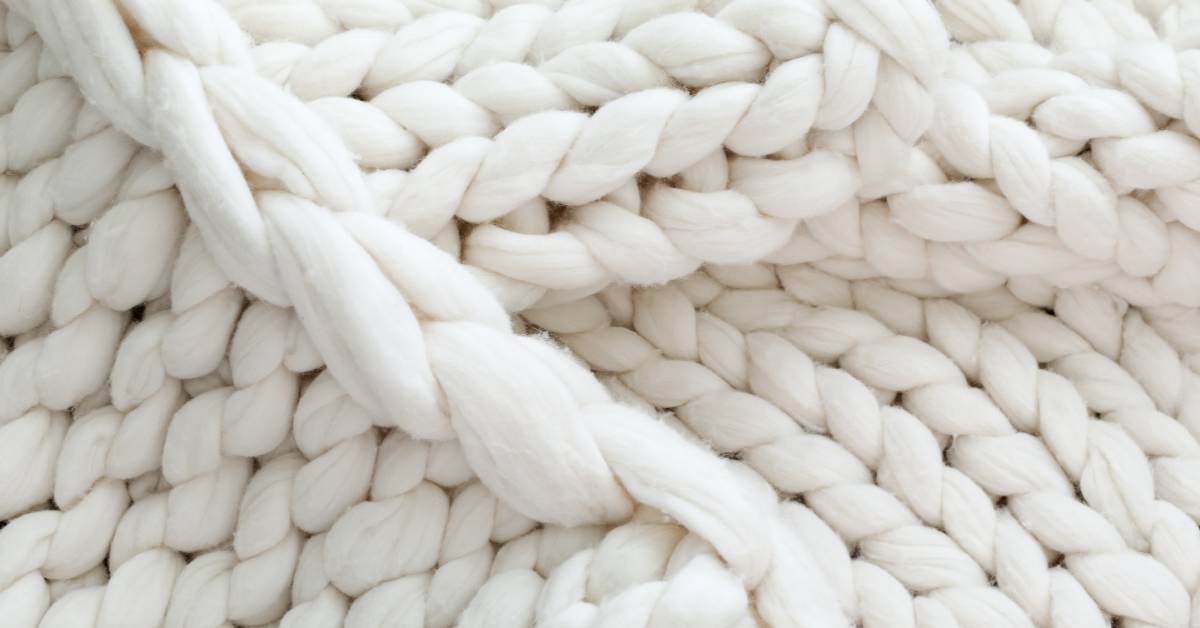
Wool provides excellent insulation because its fibers naturally trap air. It regulates temperature by retaining warmth while allowing water vapor to move away from the body.
Another advantage is wool's ability to absorb moisture without immediately becoming damp to the touch. Residents who experience temperature fluctuations throughout the night may appreciate this characteristic.
However, wool requires more attention during laundering. High temperatures and agitation can cause untreated fibers to shrink or felt together.
For facilities with commercial laundry systems, machine-washable wool is preferable to varieties requiring special care. Its higher purchase price also affects how much facilities spend when outfitting numerous beds.
Acrylic
Acrylic is a synthetic fiber commonly used as an alternative to wool. It provides insulation at a lower weight and costs less than many blankets made from natural wool.
The material resists moth damage and dries relatively quickly after laundering. Its insulating properties make it suitable for residents who want additional warmth without heavy bedding.
One drawback is acrylic's tendency to develop pills. Friction during regular use can cause small fiber clusters to form on the surface, gradually changing its texture.
Lower washing temperatures and reduced mechanical agitation limit unnecessary wear. Facilities considering acrylic should check whether the manufacturer's care instructions accommodate their laundry equipment.
Linen
Linen comes from flax fibers and has a naturally breathable construction. Its ability to release heat makes it suitable for residents who prefer minimal insulation during warmer months.
Unlike some synthetic fabrics, linen absorbs moisture and dries relatively quickly. It also becomes more pliable with repeated washing, although its initial texture is coarser than cotton.
Linen has another characteristic that affects maintenance: it wrinkles easily. Frequent laundering leaves visible creases unless staff press the fabric, which adds work during bedding preparation.
Because of its relatively high purchase price, linen is less common in institutional bedding. It appeals to facilities prioritizing lightweight coverage over purchasing economy blankets in bulk.
Bamboo Viscose
Bamboo viscose comes from cellulose extracted from bamboo and chemically processed into textile fibers. The resulting fabric has a smooth texture and drapes easily over the body.
Its moisture absorption makes it an option for residents who perspire during sleep. However, the manufacturing process changes the original bamboo material, so claims about the plant's natural antibacterial properties don't necessarily apply to finished viscose fabric.
Durability is another factor when comparing bamboo viscose with other materials. Some viscose textiles lose strength when wet, making repeated commercial laundering harder on the material.
Facilities interested in bamboo-derived bedding should look for products with specific washing instructions and evidence of performance under institutional laundry conditions.
Lyocell
Lyocell is a regenerated cellulose fiber commonly produced from wood pulp. Its smooth surface and moisture management properties make it suitable for bedding intended for warmer sleeping conditions.
The fibers absorb water vapor and release moisture, reducing the dampness that develops beneath heavy covers. Lyocell has a flexible drape, allowing blankets to follow the body's contours without requiring excessive weight.
Compared with conventional viscose, lyocell retains more strength when wet. However, individual products still require laundering according to their care labels.
The primary drawback for institutional purchasing is cost. Lyocell blankets tend to carry higher prices than basic polyester alternatives, which affects larger bedding orders.
Silk
Silk is a natural protein fiber produced by silkworms. Its smooth surface creates very little friction against the skin, which some residents prefer when using bedding for extended periods.
Despite its lightweight construction, silk provides insulation through the structure of its fibers. The material releases moisture vapor, making it suitable for people who prefer lighter covers.
Its main limitation in long-term care is maintenance. Many silk products require gentle washing and careful drying, which complicates routine institutional laundry operations.
Silk costs considerably more than typical facility bedding. For these reasons, it's primarily a specialty option rather than a common choice for purchasing blankets in bulk.
Choose Blankets That Hold Up to Everyday Care
Finding the best blanket materials for long-term care requires balancing residents' temperature preferences with your facility's laundry requirements. Natural fibers offer breathability, while synthetic alternatives provide options for insulation and repeated washing. The right purchase depends on how your residents use their bedding and how frequently your staff needs to replace it.
At Assisted Living Store, we offer cotton and polyester blankets intended for institutional use. Our selection includes blankets for cheap for facilities that need affordable bedding in larger quantities.
Browse our collection to compare available materials and find options that meet your residents' needs without stretching your facility's budget.