Non-slip trampoline socks? Or regular socks? What type should you purchase for your facility? Both options will cover the foot and provide basic warmth, but these two products have very different construction, safety specs, and intended uses. Here's a breakdown of what makes them different so you can stock what your space actually requires.
The Grip on the Bottom
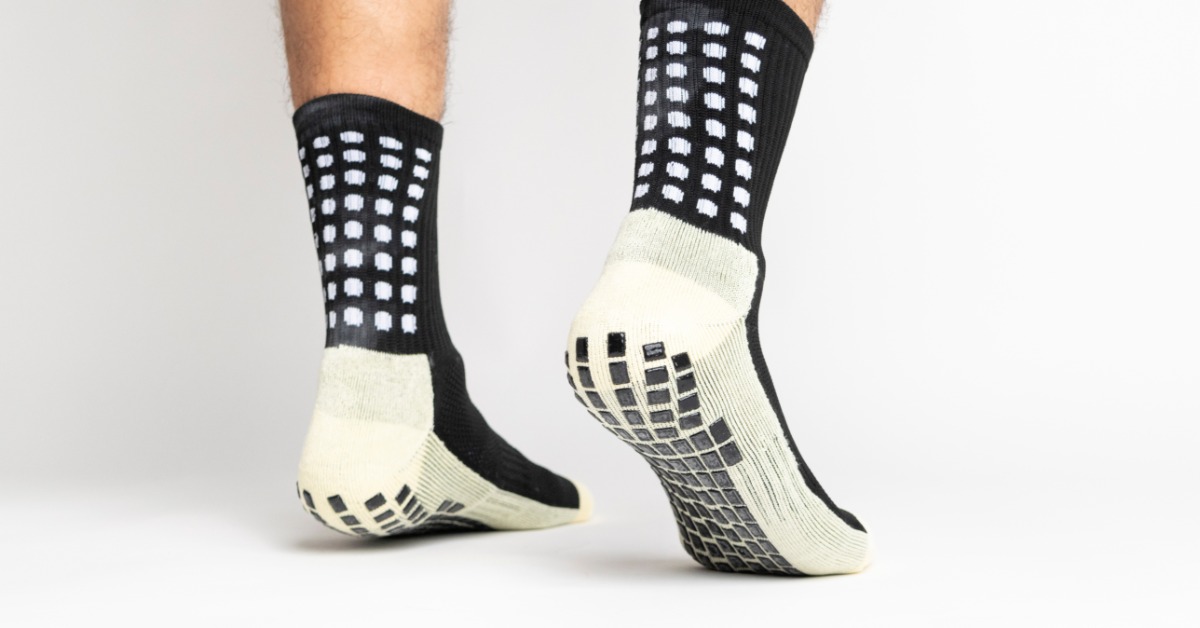
This is the most obvious difference. Regular socks have a flat fabric sole with no traction added. Non-slip trampoline socks have rubber or silicone grip patterns bonded to the bottom of the sock.
Those grips aren't decorative. On a trampoline surface, a flat sock slides when a jumper lands off-center or steps toward the edge of the mat. The rubber dots or patterns on non-slip socks create friction between the foot and the surface, so the foot stays where it lands instead of skating forward.
If your floor or trampoline mat is smooth, that difference in grip is the difference between a stable landing and a fall.
How They Perform on a Trampoline Mat
A trampoline mat flexes, bounces, and shifts under a jumper's weight. Regular socks weren't designed for that kind of surface movement. When the mat pushes back, a sock with no grip gives the foot very little to hold onto.
Non-slip trampoline socks are specifically built for that kind of dynamic contact. The rubber grips stay pressed against the mat through the bounce, which keeps the foot tracking in a consistent direction. That's not something a standard athletic sock can replicate, no matter how thick the fabric is.
Fabric Construction
Regular socks come in a wide range of fabric blends. Some are thin cotton, some are thick wool, and athletic versions often use synthetic blends for moisture management. None of those blends are specifically engineered for repeated impact and heat buildup from jumping.
Trampoline socks tend to use breathable synthetic fabrics that hold their structure under repeated stress. The weave is tighter in areas that take the most pressure, like the ball of the foot and the heel. That construction reduces how much the sock stretches or bunches during activity, which keeps the grip pattern flat against the surface where it can actually do its job.
Ankle and Arch Support
Most regular socks offer light compression around the arch and ankle, but that compression is designed for walking or light daily use, not repetitive jumping.
Trampoline socks often include reinforced arch support and a snugger fit around the ankle. That added structure reduces how much the foot shifts inside the sock during a jump. When the foot doesn't slide around inside the sock, the grip on the outside stays properly aligned with the surface below.
So the fit isn't just about comfort. It directly affects how well the non-slip sole functions.
Safety Compliance
Many trampoline parks and recreational facilities are required to provide guests with grip socks. This is often tied to their liability coverage or their insurance policy requirements. Regular socks don't satisfy those requirements because they don't meet the grip specifications those policies reference.
Non-slip trampoline socks are manufactured to meet those standards. If your facility carries liability insurance tied to footwear requirements, the type of sock you hand out isn't optional. Handing a guest a pair of regular socks when your policy requires non-slip grip socks puts you in a compliance gap that could affect a claim.
Hygiene and Shared-Use Design
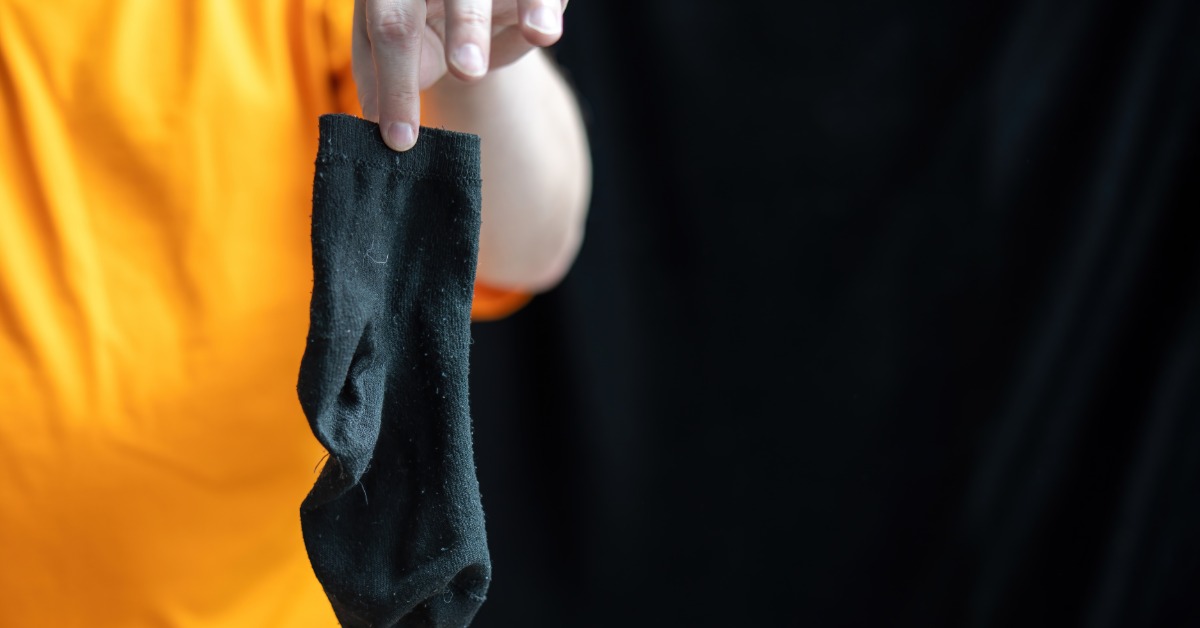
Regular socks are personal items. They're worn once and washed by the individual who owns them. When a facility provides socks to guests, hygiene becomes a facility concern, not a personal one.
Non-slip trampoline socks sold for facility use are designed with that shared-use model in mind. They're produced in quantities that make single-use or limited-use distribution practical. The materials hold up to frequent turnover, and the grip pattern doesn't degrade after one wear the way it might on a cheaply made novelty sock.
If you're distributing socks to guests who arrive without them, you want a product made for that purpose.
Durability Under Repeated Use
A regular sock worn for walking might last hundreds of washes before the fabric shows wear. That durability, though, is built for low-impact use. Jumping puts a different kind of stress on the fabric, particularly at the toe box, heel, and ball of the foot.
Trampoline socks are reinforced in those high-wear zones. The stitching is denser, and the grip material is bonded to withstand the friction generated by repeated landings. A regular sock used in a jump environment breaks down faster and loses its shape sooner, which means you're replacing them more often if you try to use them as a substitute.
Size and Fit Range
Regular socks come in standard sizes, but the sizing is often loose. A "one size fits most" regular sock fits very differently on a size 6 foot than on a size 12 foot.
Trampoline socks designed for facility distribution come in defined size ranges, and many manufacturers color-code those sizes so staff can hand out the right pair quickly without guessing. That color coding also makes inventory easier to manage when you're keeping multiple sizes in stock and moving through them at volume.
What They Look Like
Non-slip trampoline socks often come in brighter colors or with visible grip patterns on the sole. That's partly functional and partly practical. Visible grips make it easy to confirm a guest is wearing the right sock before they enter a jump area. Bright colors make it easy to spot a guest who walked in wearing their own regular socks instead.
Regular socks are typically neutral in color and have no visible grip indicator on the sole. In a facility setting, that makes visual compliance checks harder to run.
Now You Know the Difference
Now you know the difference between non-slip trampoline socks and regular socks. Regular socks will work in a casual, low-activity setting, but for environments where guests are jumping, landing on dynamic surfaces, or where liability and hygiene standards apply, non-slip trampoline socks deliver the grip and structural support that regular socks can't.
At Assisted Living Store, we sell grip socks for trampoline parks and other facilities at discounted bulk prices. Our socks come in a range of sizes, with sizes color-coded for faster staff distribution. Buy in larger quantities and save.