
Bed sheets go through a lot, especially in facilities where staff change and wash bedding frequently. Over time, even high-quality linens begin showing signs of wear. Knowing when to retire them keeps your bedding collection in good condition and your guests or residents comfortable.
The tricky thing is that the signs it's time to replace your bed sheets aren't always obvious. Some appear gradually after repeated laundering, while others become apparent when staff make the beds. A little attention during routine linen changes can tell you when your existing inventory needs refreshing.
The Fabric Has Become Noticeably Thin
Repeated washing wears down the fibers that give bed sheets their strength. Eventually, certain areas become thinner than the rest of the fabric, particularly where people spend the most time lying down.
You can check for thinning by holding a sheet toward a light source. Areas that allow noticeably more light through than surrounding sections have lost some of their original density.
Thin fabric tears more easily during laundering and everyday use. Replacing these sheets before holes develop keeps your linen inventory in good condition and limits unexpected replacements between scheduled purchases.
Small Holes Are Starting To Appear
A small hole in a bed sheet is an unmistakable sign that the fabric has weakened. Even a tiny opening can grow larger as the material stretches during use or moves through commercial laundry equipment.
Facilities that wash bedding frequently may notice holes developing around areas that receive repeated friction. Once the surrounding fibers begin separating, ordinary laundering can make the damage worse.
Although a minor hole may seem harmless, sheets with visible openings no longer meet the appearance standards most facilities want to maintain. Removing damaged linens from circulation keeps your bedding looking well maintained.
The Seams Are Beginning To Fray
The seams along a bed sheet's edges help prevent the fabric from unraveling. As stitching wears down, loose threads may begin appearing around the hems.
Frequent laundering puts additional strain on these areas, especially when sheets become tangled with other items in the washer. Once the stitching loosens, the fabric edges become increasingly vulnerable to damage.
Take a closer look at sheets with hanging threads or sections where the hem has started opening. Replacing them before the seams separate completely prevents further deterioration and keeps your linen collection looking uniform.
The Surface Has Developed Excessive Pilling
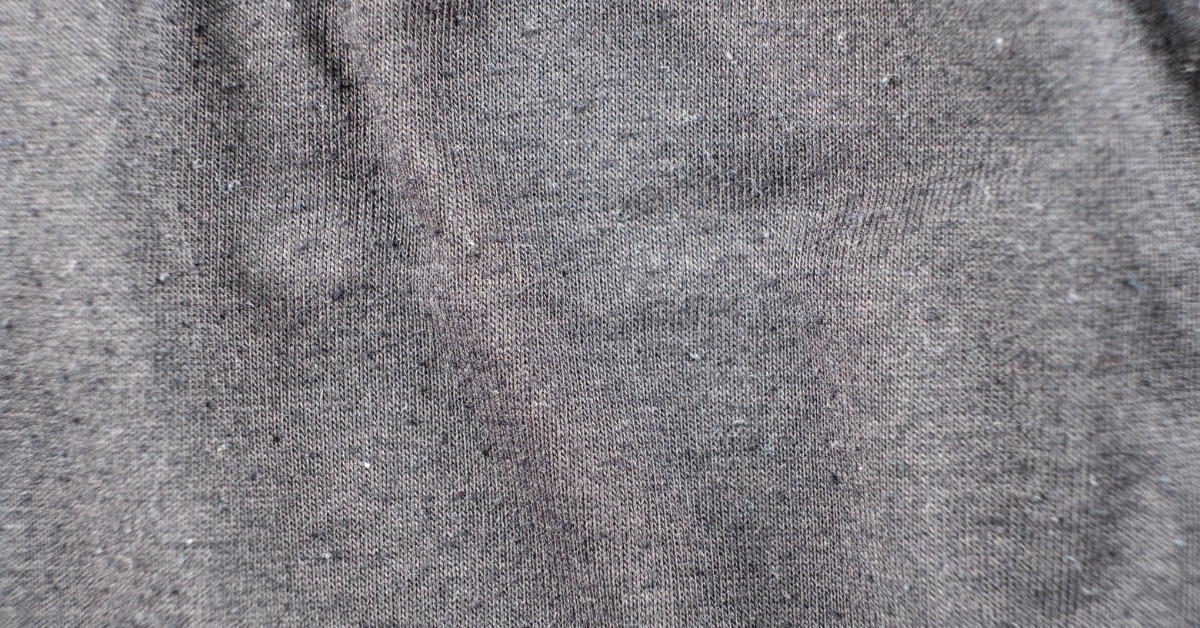
Pilling occurs when loose fabric fibers become tangled and form tiny balls on the sheet's surface. These bumps develop through repeated friction, which happens naturally when people move against their bedding.
Some materials resist pilling better than others, but frequent use and laundering gradually affect the fabric's surface. Once pilling becomes widespread, sheets may no longer have the smooth texture people expect from freshly made beds.
A few isolated pills aren't a reason to discard an entire sheet. When the texture becomes noticeably uneven across large areas, though, replacement is a sensible choice.
The Sheets Have Lost Their Softness
Fresh bed sheets should have a pleasant texture against the skin. After extensive use, fabric fibers can become rougher as repeated laundering changes their structure.
You may notice that older sheets remain stiff or scratchy even after following the proper washing instructions. When the fabric itself has deteriorated, changing detergents won't restore its original condition.
Soft bedding is important in facilities where residents spend extended periods in bed. Once sheets have permanently lost their softness, replacing them maintains a comfortable sleeping surface and keeps the quality of your linens consistent.
Stains Remain After Proper Laundering
Facilities rely on thorough laundering to maintain hygienic bedding. While many stains respond to proper cleaning, some discoloration becomes permanent after repeated washing.
You may encounter sheets that come out of the laundry clean but retain visible marks from previous use. Even when the fabric meets sanitation requirements, permanent stains can affect how people perceive the bedding's cleanliness.
Inspect linens after washing to distinguish removable stains from lasting discoloration. Once approved cleaning methods no longer improve their appearance, replacing those sheets maintains a consistent presentation throughout your facility.
Unpleasant Odors Persist After Washing
Freshly laundered sheets should smell clean once they've dried completely. If an unpleasant odor remains after proper washing, it's important to determine what's causing it.
Residue trapped within fabric fibers may contribute to lingering smells. Check whether the laundry equipment is functioning properly and whether sheets are drying completely, since moisture left in the fabric can produce unpleasant odors.
When the same sheets continue developing odors despite effective laundering, replacement may be necessary. Staff should keep affected linens out of circulation until they've identified the cause, so bedding with lingering odors doesn't return to use.
The Fitted Sheets No Longer Stay in Place

Fitted sheets rely on elastic to grip the mattress securely. Over time, repeated stretching and exposure to laundering temperatures can weaken that elastic.
You may notice corners slipping off mattresses during ordinary use, even when the sheets originally matched the bed dimensions. Staff then have to spend additional time adjusting bedding that won't remain properly positioned.
Loose fitted sheets create unnecessary work during bed changes and interfere with the sleeping surface. Once the elastic loses its ability to hold the corners securely, replacement is generally more effective than repeatedly readjusting the same sheets.
The Sheets Have Shrunk Beyond Their Original Size
Bed sheets need enough fabric to cover the mattress properly. Repeated exposure to high washing or drying temperatures can cause certain materials to shrink over time.
Shrinkage becomes apparent when previously well-sized sheets no longer reach comfortably around the mattress. Flat sheets may have insufficient length for tucking, while fitted versions become difficult to pull over the corners.
Proper laundering practices can limit future shrinkage, but they won't reliably restore fabric that has already contracted. Replacing undersized sheets makes bed preparation simpler and keeps bedding positioned properly during use.
The Fabric Has Developed Uneven Discoloration
Frequent laundering can leave bed sheets with patchy coloring, particularly when cleaning chemicals affect certain areas more heavily than others. The result is an uneven appearance that becomes increasingly visible after each wash.
Bleach is a common culprit. When it comes into contact with fabric at high concentrations, it can strip away color and damage the underlying fibers.
Minor fading is expected with regular use, but large patches of discoloration can make otherwise clean bedding look worn. If the affected areas have become brittle or thin, the damage extends beyond appearance, and the sheets are ready for replacement.
Keep Your Linen Inventory Ready for Everyday Use
Recognizing the signs it's time to replace your bed sheets gives you more control over your linen purchases. Regular inspections let you identify worn bedding before it creates extra work for your staff. They also make it simpler to plan replacement orders around your facility's actual needs.
At Assisted Living Store, we understand the importance of maintaining an adequate bedding inventory without stretching your purchasing budget. We offer wholesale bed sheets for facilities purchasing in larger quantities, along with options for individual buyers. Browse our selection to find sheets for your next linen order.