Maintaining bed sheets in care settings is no easy feat. It takes regular upkeep to keep fresh sheets ready for daily use. How can you make that routine easier on your staff? Here are 11 tips for maintaining bed sheets in care settings.
Check Sheets Before Each Wash
A quick inspection before laundering gives staff time to catch damage before another wash cycle puts added stress on the fabric. Small tears are easy to miss when sheets move straight from a bed into a washer.
Look closely at areas that receive frequent friction, such as the center of a fitted sheet. Frayed hems need the same review. Catching these problems early lets staff remove a damaged sheet before it returns to use or develops a larger tear during laundering.
Follow the Care Label
Commercial laundry routines expose sheets to repeated detergent use and mechanical agitation. The care label provides the manufacturer's instructions for how the fabric should handle that treatment.
It can be tempting to put every sheet through the same cycle when the laundry room gets busy. Sheets made from different materials don't always have identical wash requirements. Following the listed water temperature and dryer instructions protects the fibers from unnecessary stress and gives staff a consistent reference for each type of linen.
Use The Right Amount of Detergent
Extra detergent doesn't automatically produce cleaner sheets. Too much product can leave residue behind after the rinse cycle, especially when staff use the same amount for every load size.
Follow the detergent manufacturer's dosage for the washer capacity and soil level. Commercial machines vary in size, so a household measurement isn't a good substitute. Proper dosing gives the wash cycle enough detergent to remove soil without leaving excess product behind on the fabric.
Keep Washer Loads Within Capacity
A packed washer leaves less room for sheets to move through the wash water. Fabric needs enough space for detergent and water to circulate through the load.
Overloading also puts extra strain on the machine. Fitting more sheets into one load may reduce the number of cycles staff run, but the sheets may need to be washed again if the first cycle doesn’t remove soil thoroughly. Check the machine’s rated capacity rather than judging the load by how much will physically fit inside the drum.
Select Water Temperature Carefully
Water temperature should match the sheet manufacturer's instructions and the facility's laundry procedures. Excessive heat can wear certain fabrics sooner, while water below the required temperature won't meet the intended wash conditions.
The care label provides the temperature range for the material. Facility infection-control procedures determine whether another requirement applies to a particular load. Staff should follow both rather than raising the temperature automatically. Consistent temperature selection protects the fabric from avoidable heat exposure.
Treat Stains Before the Wash
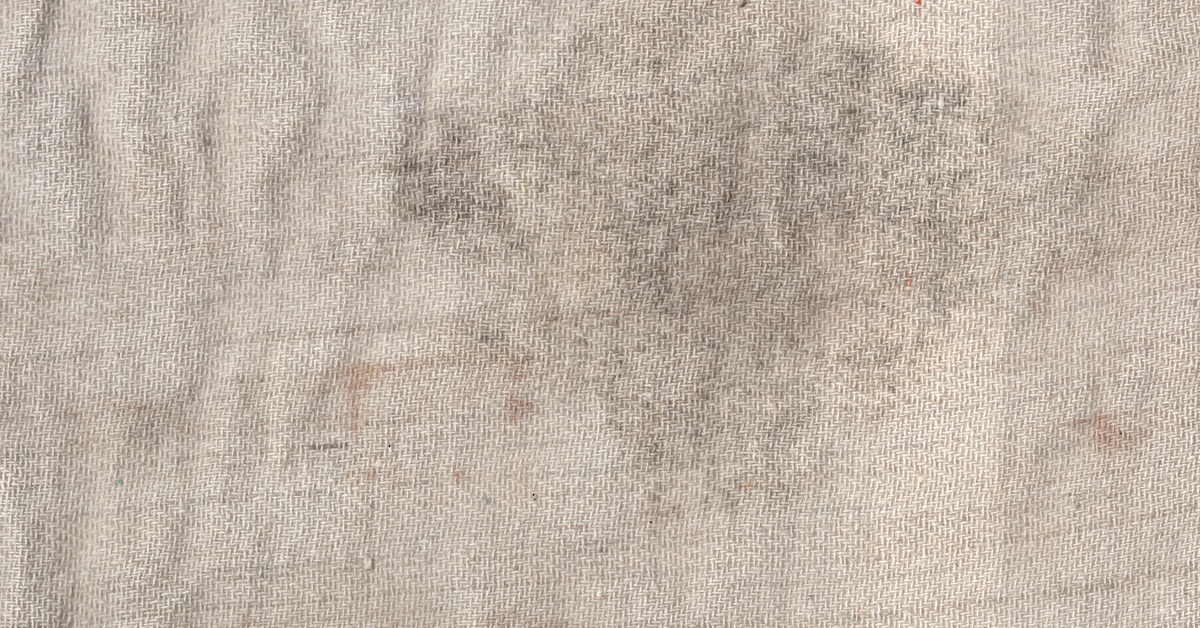
A stain that goes through a full wash and dry cycle becomes harder to address after heat sets it into the fibers. Staff have a better opportunity to remove it when they identify the affected area before laundering.
Different stains respond to different treatments, so use a product made for the type of soil you’re dealing with. Apply it according to the label and give it enough time to work before the sheet goes into the washer. Avoid hard scrubbing, which can wear down the fabric around the stained area.
Dry Sheets at the Recommended Temperature
Dryer heat creates another source of wear after every wash. A setting above the recommended temperature can damage fibers after repeated cycles and contribute to shrinkage.
Higher heat isn't a useful shortcut if it shortens the service life of the linen. Follow the dryer's settings alongside the instructions on the sheet label. Staff should remove sheets after the cycle finishes rather than leaving them exposed to extra heat inside the dryer.
Let Sheets Dry Completely
Damp sheets shouldn't move from the dryer into a storage area. Moisture trapped between folded layers creates poor storage conditions and leaves linens unprepared for immediate use.
Sheets can seem dry on the outside while thicker seams retain moisture. Staff should check those areas before folding the load. If fabric is still damp, return it to the dryer according to its care instructions. Fully dried sheets are easier to store and ready for use when staff need them.
Fold Sheets With Care
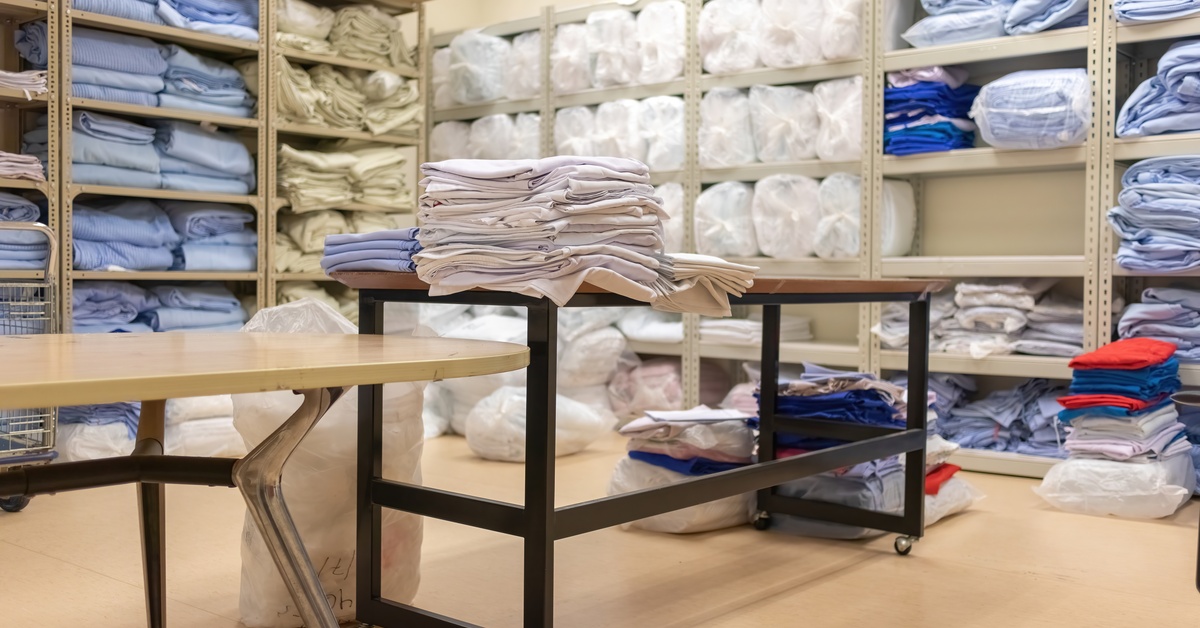
Rushed folding can leave sheets twisted or bunched before they reach the storage shelf. A consistent fold keeps each piece compact without putting unnecessary strain on elastic edges or fabric seams.
Fitted sheets need extra care because stretched elastic can wear out sooner. Staff don't need an elaborate folding method. The sheet simply needs to lie flat enough that the elastic isn't pulled tight while it sits in storage.
Rotate Linen Stock Regularly
When staff continually pull sheets from the front of a shelf, the same sets can cycle through beds and laundry more frequently than the linens stored behind them. Those sheets collect wear sooner even though additional stock remains available.
A basic rotation system spreads use across the available inventory. After clean sheets return from laundry, place them so older stock gets selected before newly washed sets return to service. That keeps the same sheets from carrying most of the workload.
Retire Worn Sheets Promptly
Every sheet reaches a point when continued laundering no longer makes sense. Thin fabric or damaged elastic shows that a sheet has reached the end of its service life.
Staff shouldn't wait for a sheet to tear completely before removing it from circulation. A fitted sheet with weak elastic may slip from the mattress, while thinning fabric has less strength left for repeated laundry cycles. Set standards for when linens leave active inventory so worn sheets don't return to use.
Keep Your Linen Supply Ready
Maintaining bed sheets in care settings doesn’t have to be difficult. By employing these tips, you can keep linens in good condition for longer.
At Assisted Living Store, we sell wholesale bed sheets to make it easier for facilities to maintain adequate stock of fresh linens. Our high-quality sheets are available at affordable prices. Stock up so you always have fresh sheets ready when needed.