Mesh laundry bags can streamline your facility’s laundry routine by keeping items contained from collection through washing. But mesh bags come in different sizes and use different materials. Closure styles vary as well, which affects how a bag performs during repeated handling. How do you choose the best option for your operation? When choosing mesh laundry bags for daily facility use, focus on how each feature relates to the way your staff collects and processes laundry. The factors below can help you narrow the options.
Choose a Size That Matches Your Typical Load
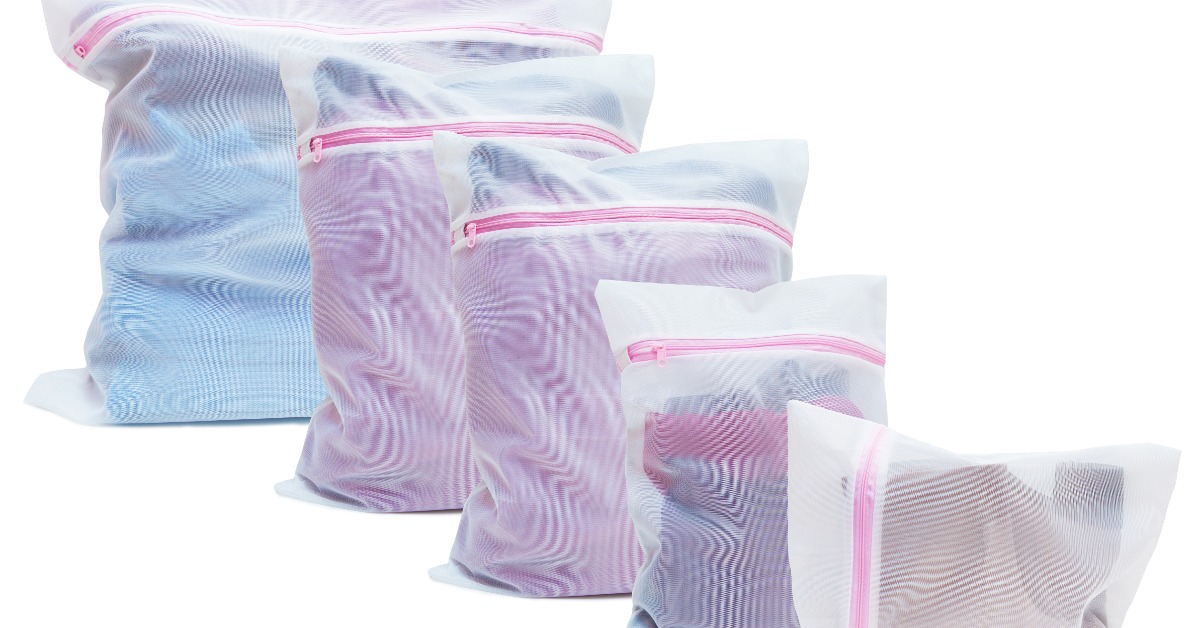
Bag size should reflect how much laundry your facility places in one bag before it heads to the wash area. An oversized bag encourages overfilling, which makes the load harder to carry and leaves less room for items to move during washing. On the other hand, a bag that’s too small forces staff to use extra bags for a routine load.
Think about the amount of laundry collected at one time. From there, select a capacity that holds that amount without requiring staff to pack the bag tightly.
Match the Mesh Density to the Contents
Mesh density affects how much support the bag provides around its contents. A more open mesh allows water to pass through readily during washing, while a tighter construction provides greater containment for smaller items.
The right choice depends on what your facility plans to place inside the bag. For example, socks need enough containment to keep them from slipping through openings during the wash cycle. Larger linens don’t present the same concern. Matching the mesh to the contents reduces lost items without adding unnecessary material around the load.
Consider How Frequently the Bags Will Be Washed
Facilities that wash laundry bags after every use place repeated stress on the material. Each trip through the washer exposes the bag to agitation, followed by another round of handling once the cycle ends.
For daily operations, look for bags intended for repeated laundering rather than occasional household storage. Commercial routines demand construction that holds up through ongoing use. Washing frequency also affects how many bags you need in rotation because some will be in the laundry process while others remain available for collection.
Look at the Closure Style
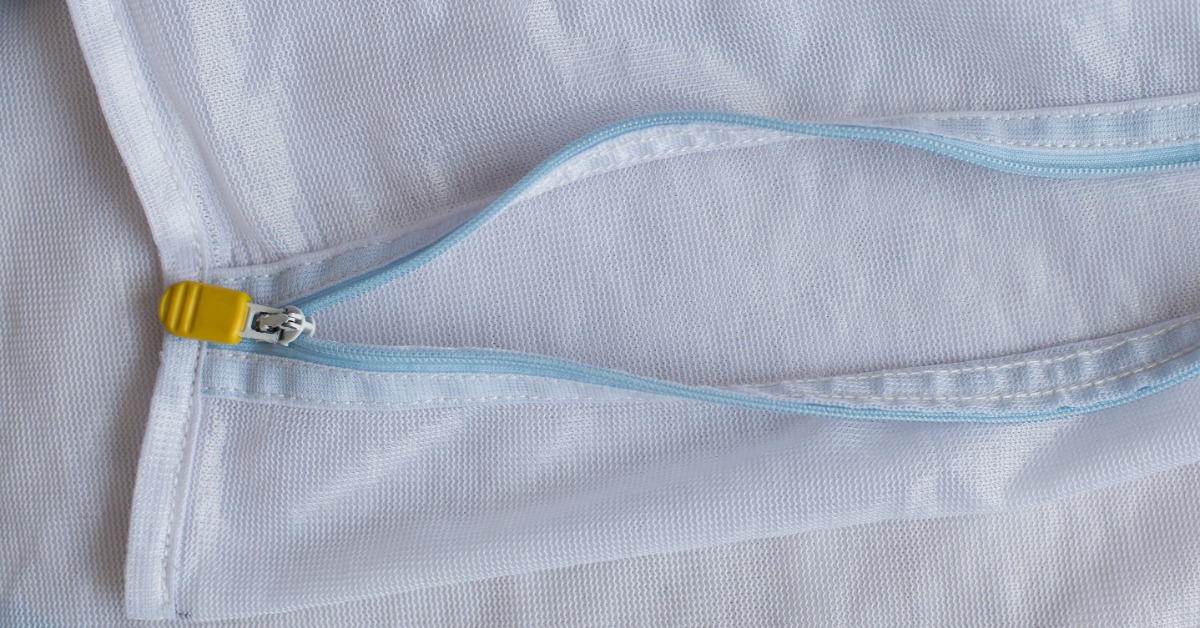
A laundry bag’s closure determines how securely it keeps its contents inside during transport and washing. Drawstring closures are common because staff can close the opening without adding separate hardware.
The closure should stay secure while remaining simple enough for repeated use throughout the day. If workers have to struggle with it each time they load or empty a bag, that small delay repeats across every laundry cycle. A closure that matches your workflow keeps the bag contained without turning a routine task into extra handling.
Account for How Staff Move Laundry
Laundry doesn’t always go straight from a collection point into a washer. In larger facilities, staff may carry filled bags through hallways or load them onto carts before they reach the laundry area.
That movement places added stress on the bag, particularly near the opening and seams. A bag used for transport therefore needs construction suited to repeated lifting. Consider how far a typical load travels and how workers handle it along the way. Bags that remain inside one laundry room don’t face the same demands as bags moved throughout a building.
Check the Seam Construction
Seams take much of the strain when a filled mesh bag gets lifted or pulled from a cart. Weak stitching can start separating after repeated use even when the mesh itself remains intact.
When reviewing options, look at how the edges of the bag are joined rather than focusing only on the main material. Reinforced seam construction gives heavily used bags added support at the areas that receive repeated tension.
Think About Sorting Before Washing
Many facilities separate laundry before it reaches the washer. Mesh bags can support that process by keeping a category of items together from the collection area through the wash cycle.
Your bag selection should reflect how sorting already happens within the operation. If staff separate small personal items before washing, individual bags can keep those pieces grouped without requiring another sorting step later. A facility that washes larger communal loads may need fewer divisions. The bag should support the existing workflow rather than introduce a new system staff have to maintain.
Decide Whether Identification Is Needed
Identification becomes important when bags need to remain connected to a resident, department, or collection area. Without some form of labeling, similar mesh bags can become difficult to distinguish after they reach a shared laundry room.
Consider whether your staff needs to know where each bag came from after washing. If so, select bags that accommodate your preferred identification method without interfering with laundering. A simple labeling system can reduce sorting confusion when multiple bags move through the same process during a busy laundry cycle.
Review the Bag’s Intended Use
Some mesh bags are designed for light household laundry, while others are built with institutional use in mind. That difference affects how well the bag handles repeated loading and laundering.
Before ordering a large quantity, review the manufacturer’s intended use and care instructions. A product meant for occasional delicate items may not match a facility that processes laundry every day. Commercial buyers benefit from comparing the product’s construction with the demands of their operation rather than choosing based on dimensions alone.
Plan the Quantity Around Your Rotation
The number of bags you order should account for bags that are already in use as well as those moving through the laundry cycle. If every bag is occupied at once, staff have nothing available for the next collection.
A rotation provides enough inventory for one group of bags to be washed while another remains in circulation. The right quantity depends on how many loads your facility handles during a typical day.
Stock Your Facility for Daily Laundry Needs
Now that you know how to choose mesh laundry bags for daily facility use, you can compare options based on how your staff collects, transports, sorts, and washes laundry. Buying with your existing routine in mind can reduce unnecessary replacements and keep enough bags available throughout the day.
At Assisted Living Store, we sell mesh laundry bags in options suited to facility use at affordable bulk prices. Shop our selection and stock up for everyday laundry needs across your operation.