Trampoline socks, also known as grip socks or non-slip socks, are specially designed socks with rubberized grips on the soles. These grips provide extra traction against the surface beneath your feet, reducing the risk of slipping during physical activity.
Although they're popular at trampoline parks, these socks have plenty of uses beyond jumping. Their design provides additional traction for anyone who needs better footing on indoor surfaces.
So, how do trampoline socks help prevent slips, and what makes them different from regular socks? Several features contribute to their slip-resistant design, from the material underneath to how securely they fit your feet.
Rubber Grips Increase Friction
The main feature separating trampoline socks from regular socks is the rubberized material attached to their soles. Unlike regular cotton socks, which slide easily across smooth flooring, these grips provide resistance that keeps your feet from slipping out of position.
As you walk, the rubber grips make contact with the floor and create friction that limits unwanted movement. This gives you better control over where your feet end up with each step.
The added traction is useful on smooth indoor surfaces where ordinary sock fabric offers little resistance. It's the primary reason trampoline socks provide better slip protection than standard socks.
Textured Soles Improve Surface Contact
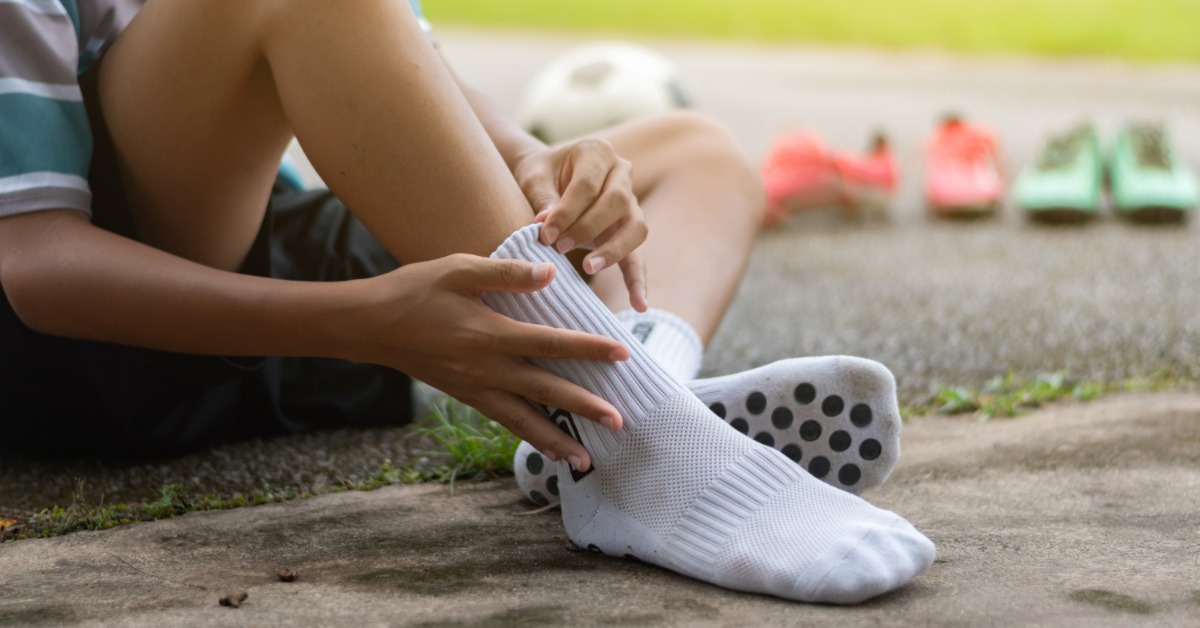
The rubberized material underneath trampoline socks isn't always arranged in one continuous layer. Many designs feature individual raised grips distributed across the sole, creating multiple contact areas against the floor.
These textured patterns allow different portions of the grip material to engage with the surface as your foot moves. Instead of relying on one large section of rubber, the sock provides traction through numerous smaller contact areas.
This design also allows the surrounding fabric to bend naturally between the grips. As a result, the sole can follow the movement of your foot without requiring a thick rubber bottom.
Grip Coverage Protects the Entire Foot
Your weight doesn't remain in one position underneath your foot when you walk. It transfers from your heel toward your toes as you complete each step.
Trampoline socks commonly feature rubber grips across much of the sole to accommodate this movement. As your weight changes position, different sections of the gripping material provide traction against the floor.
For example, grips near your heel provide resistance when you first put your foot down. As you move forward, the grips underneath your toes take over.
This coverage prevents large sections of ordinary fabric from contacting the floor without additional slip resistance.
Better Traction Reduces Sliding During Landings
Landing after a jump places sudden pressure on your feet. If your socks slide across the surface when you touch down, you may struggle to regain your balance before making another movement.
Trampoline socks provide additional traction during landing, reducing the amount of unwanted movement between your feet and the trampoline surface.
This resistance allows you to regain your footing without your socks sliding as easily underneath you. However, the grips don't replace proper landing technique or eliminate the possibility of injury.
For trampoline activities, they're one feature that contributes to safer movement when people leave the ground and return to the surface.
Slip Resistance Improves Control During Turns
Changing direction requires your feet to move into a new position while supporting your body weight. If your socks slide unexpectedly during that movement, you may lose your balance.
Trampoline socks reduce this risk by providing resistance against sideways movement. Their grips contact the surface as you turn, limiting how easily your feet slide away from their intended position.
For example, during a dance class, someone performing a side step needs their planted foot to remain in place while they transfer their weight. If that foot slides outward, they may stumble as they attempt to complete the movement.
Grip socks reduce the risk of that sideways slip, allowing the person to transfer their weight without their planted foot sliding across the floor.
Additional Grip Supports Sudden Stops
When you stop walking, your feet need enough traction to resist continued movement across the floor. Regular socks sometimes slide forward even after you've attempted to stop.
The rubberized soles on trampoline socks provide additional resistance during these moments. Rather than allowing the fabric to glide across the flooring, the grips reduce how easily your feet continue moving.
Sudden stops are common during indoor activities, especially when children are playing together. For example, a child running through a recreation area may need to stop abruptly to avoid bumping into another person.
Although grip socks won't prevent every fall, they reduce sliding that could otherwise interfere with stopping safely.
A Snug Fit Prevents Socks From Twisting
Rubber grips won't provide their intended traction if the sock twists around your foot. When socks are too loose, the fabric may rotate during movement and pull the grips away from their intended position.
Trampoline socks come in different sizes to accommodate various foot lengths. A properly fitted pair remains snug against your feet without leaving excessive fabric underneath. This keeps the rubberized material facing the surface where it's needed.
Elastic Cuffs Keep Grips in Position
The elastic cuff around the ankle contributes to how securely trampoline socks remain in place. Without enough tension, socks gradually slide downward as your feet move inside them.
A properly fitted cuff holds the upper portion of the sock against your ankle. This prevents the fabric from collecting around your heel and interfering with how the sole sits underneath your foot.
Flexible Fabric Allows Natural Foot Movement
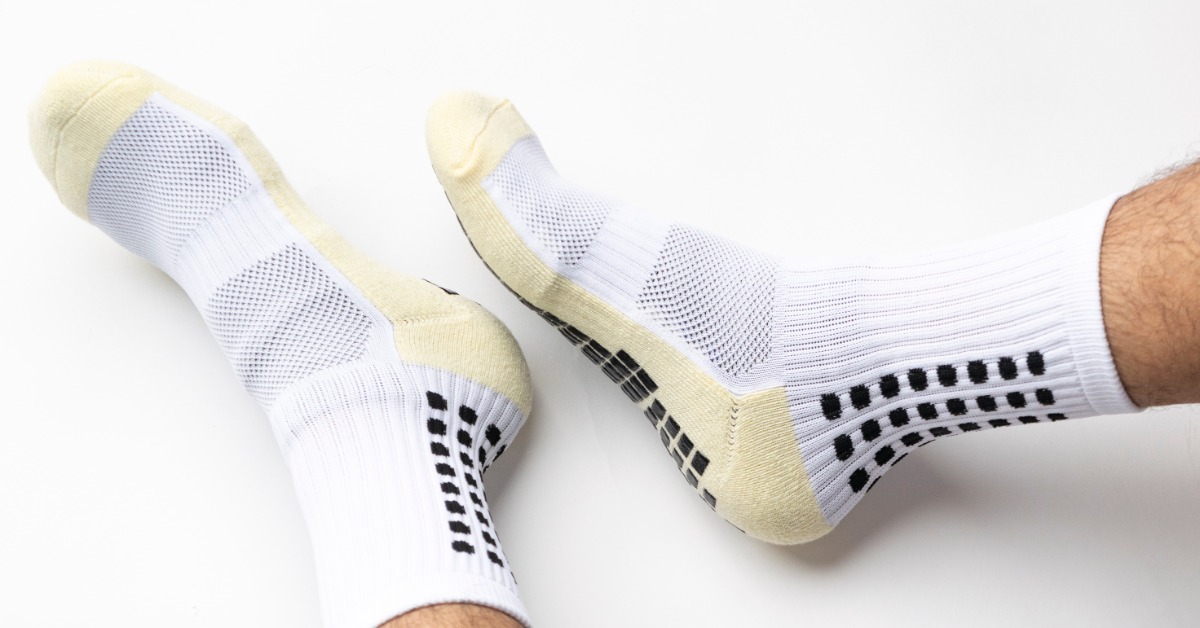
Your feet bend as you walk, particularly when your heels lift away from the floor. Socks that resist this movement may pull against your feet rather than following their motion.
Trampoline socks commonly use stretchable fabric that moves with your feet. As your toes bend, the surrounding material stretches without pulling the sock out of position.
This flexibility allows the rubber grips to remain underneath your foot as its shape changes during movement.
Grippy Soles Reduce the Need for Shoes Indoors
Some indoor activities require participants to remove their shoes. However, walking around in regular socks leaves people with little traction against smooth flooring.
Trampoline socks provide an alternative by combining the lightweight coverage of socks with additional grip underneath. People can participate in activities without wearing shoes while retaining some protection against slipping.
Choose Trampoline Socks for Better Footing
Trampoline socks help prevent slips through a combination of rubberized traction and a secure, flexible fit. Together, these features reduce unwanted foot movement.
If you need grip socks for trampoline parks or another facility where slip resistance is important, shop at Assisted Living Store today! We sell color-coded non-slip socks in multiple sizes, with durable grips and flexible fabric. Our wholesale pricing makes it affordable for facilities to stock up and accommodate visitors of different ages.