It’s true that you only need a certain number of blankets per room as a baseline. But facilities that only have the minimum in stock may run short when patients need more warmth or a fresh blanket. Having extra blankets available gives staff something to fall back on when the standard room supply isn’t enough. Here are several reasons why extra blankets matter in patient comfort.
They Help Patients Who Have Poor Circulation
Older adults may have reduced blood flow to the hands and feet, which can leave those areas cold even when the rest of the body is comfortable. Patients who spend long stretches in bed may notice the problem even more because they don’t move enough to generate much body heat.
An extra blanket lets staff cover the lower legs and feet without adding another heavy layer over the patient’s whole body. That gives the colder areas more insulation while the patient stays comfortable everywhere else.
They Give Bedbound Patients More Insulation

A patient who can’t get out of bed doesn’t have normal movement to warm the body throughout the day. Muscles produce heat during physical activity, so long periods of limited movement can leave a patient colder than someone who walks around the room.
Another blanket adds insulation between the patient and the cooler air around the bed. Staff can place it over the patient without a full linen change. For someone who already needs assistance to reposition, that reduces unnecessary movement just to add warmth.
They Give Overnight Staff a Quick Replacement
Blankets don’t always stay clean until the next scheduled linen change. A leak, spill or other accident can force staff to remove one in the middle of the night.
If the unit only carries the exact number of blankets assigned to occupied beds, staff have to locate a replacement elsewhere before the patient can get covered again. Extra stock keeps a clean blanket within reach of the unit. Staff can replace the soiled one right after removal instead of leaving the patient with less coverage while they search.
They Keep Shared Rooms Comfortable for Both Patients
Shared rooms create a common problem: two people may want completely different levels of warmth. Raising the room temperature for one patient can leave the other too warm, while lowering it can make the colder patient uncomfortable.
Extra blankets give staff control at the bed level instead. The patient who wants more warmth gets another layer, while the roommate keeps the same environment. That avoids unnecessary thermostat changes and lets staff respond to one patient without creating a new comfort issue for the person in the next bed.
They Add Warmth After a Bath
A bath can leave a patient cold after staff dry the skin and return them to bed. Water on the skin pulls heat away as it evaporates, and older adults may take longer to warm up afterward.
An extra blanket gives the patient another layer for that short period without forcing staff to replace the main bed covers. Staff can remove it later if the patient gets too warm. That gives the patient added insulation at the point when body temperature may drop after personal care.
They Support Patients With Fever Chills
A fever can cause chills even when body temperature is already elevated. The patient may shake or complain of cold because the body has reset its internal temperature target and now treats the current temperature as too low.
Staff still need to follow the patient’s care plan and monitor the cause of the fever. A blanket can provide comfort while that happens. Extra stock means staff don’t have to strip another bed or wait for fresh linens before they can give the patient another layer.
They Reduce Disruption for Patients Who Need Rest
A patient who needs another blanket shouldn’t require a full bed change just to get more coverage. For someone with pain or limited mobility, extra movement can add discomfort when they’re already trying to rest.
An extra blanket can go directly over the current bedding. Staff don’t have to remove sheets or reposition the patient just to add warmth.
They Cover the Gap Between Linen Deliveries
Laundry schedules don’t always line up perfectly with patient needs. A unit may send used blankets out before the next batch of clean linens comes back, which creates a gap if several beds need replacements close together.
Extra blankets give the unit a reserve during that gap. Staff can replace blankets as patients need them instead of waiting for the next linen cart.
They Keep Patients Covered Outside Their Rooms
Patients sometimes leave their beds for an exam or a move to another area of the facility. A hospital gown provides limited coverage, and hallways or treatment areas may run cooler than the patient’s room.
An extra blanket can cover the patient in a wheelchair or on a transport bed without removing the blanket from the patient’s regular bed. The room stays ready for the patient’s return, while the second blanket provides warmth during the trip. Staff don’t have to choose between transport coverage and a prepared bed.
They Give Staff A Reserve During High-Use Periods
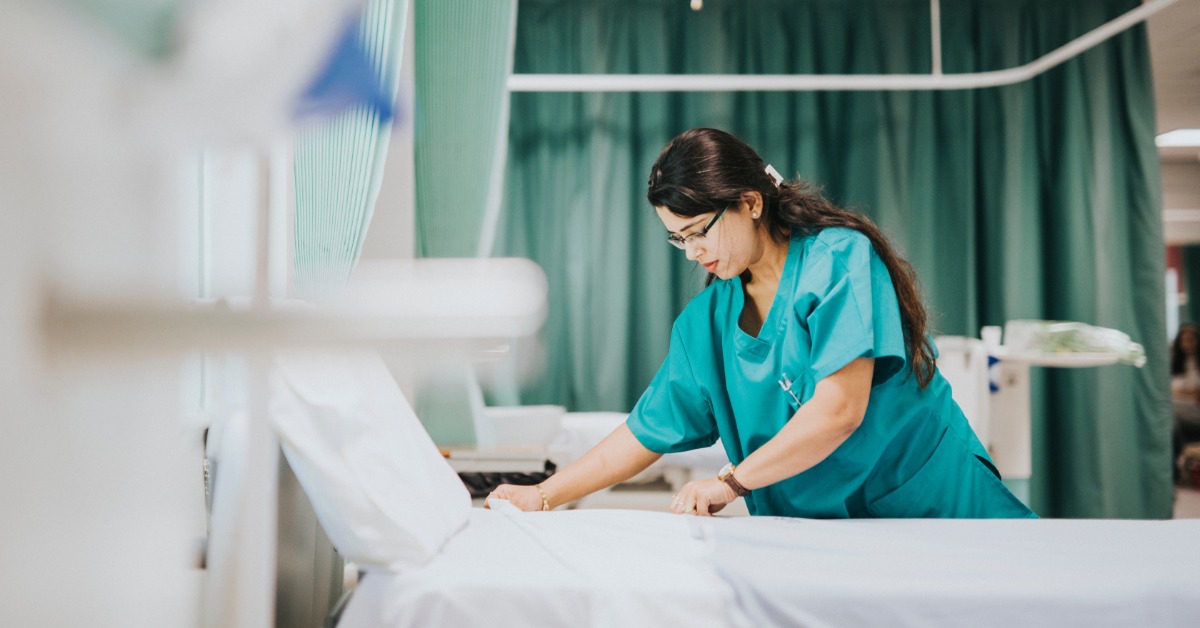
Some shifts use more blankets than the baseline count predicts. Several patients may need replacements within a short period, or a new admission may arrive before clean linens return to the unit.
A reserve keeps those extra needs from draining the blankets assigned to other rooms. Staff can pull from backup stock instead of borrowing from an unoccupied bed or another care area. That protects the baseline supply and gives the unit enough clean blankets to handle temporary spikes without leaving another room short.
Keep Extra Blankets on Standby
You don’t need to stuff extra blankets into every room, but you should have them on standby for situations where patient comfort depends on them.
At Assisted Living Store, we sell inexpensive blankets to make it easier for facilities to keep extra bedding available without overspending. Shop our selection and stock up for your facility.